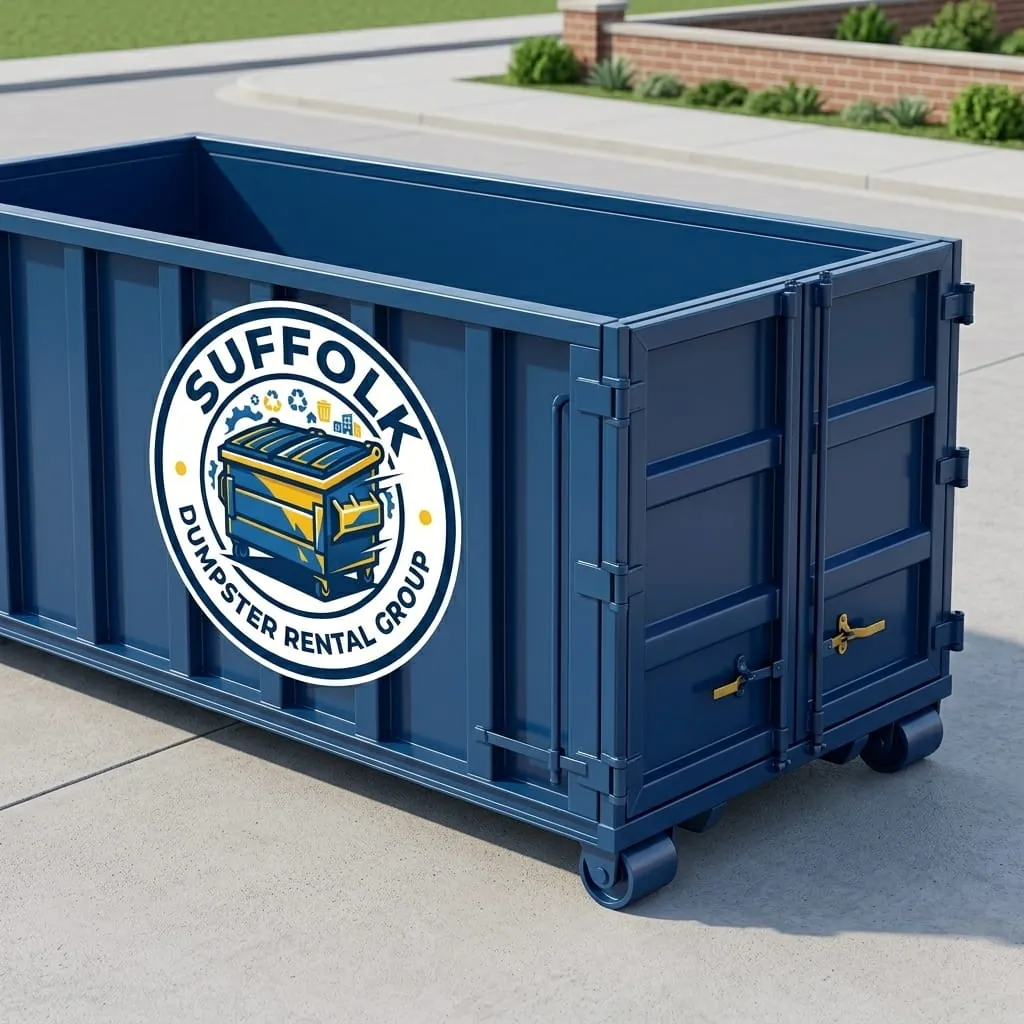
Ask any crew that's worked a tear-out in Suffolk and they'll tell you the same thing: the dumpster on the driveway is where a project's environmental footprint either gets managed or gets ignored. Most people picture a roll-off as a one-way trip to the landfill. It doesn't have to be. A good chunk of what ends up in that container can be pulled back out, sorted, and sent somewhere useful instead of buried off Route 58. The trick is knowing what's worth separating, what the regional system can actually handle, and how to load the box so the good stuff doesn't get contaminated on the way out.
We run containers all over Suffolk and the wider Hampton Roads area, and over the years we've watched the recycling side of this business get more serious. Not because it's fashionable, but because diversion saves money, extends landfill life, and keeps debris out of the creeks and swamps that make this part of Virginia what it is. Here's how it actually works on the ground, and what you can do on your own job to send less to the hole.
Where Roll-Off Debris Really Goes
When a loaded container leaves your site, it doesn't automatically get dumped whole. Mixed construction and demolition (C&D) debris often moves to a transfer or sorting facility first, where material gets pulled by type. Metal comes off for scrap. Clean wood and cardboard can be diverted. Concrete, brick, and block get crushed for reuse as fill or aggregate. What's left — the truly mixed, contaminated, non-recyclable remainder — heads to the regional landfill.
In our region, waste handling has historically been coordinated through SPSA, the Southeastern Public Service Authority, which serves Suffolk and the surrounding South Hampton Roads communities and operates the regional landfill. The exact facilities, accepted materials, and tipping arrangements change over time and are governed by agreements between member cities and the authority. We're not going to pretend to quote you current gate rates or a specific list of what's accepted on a given day — that stuff shifts, and getting it wrong helps nobody. Confirm the current specifics directly with SPSA or the City of Suffolk before you plan a project around a particular disposal or recycling route.
What we can tell you is the general shape of it: the more cleanly your debris is separated at the source, the more of it can be diverted, and the less you pay to bury. That's the whole game.
What's Actually Recyclable Out of a Dumpster
Not everything that goes in a roll-off has a second life, but four categories reliably do. Sort for these and you'll move real weight away from the landfill.
Metal
Metal is the easy win. Steel studs, old ductwork, copper pipe, aluminum flashing, cast-iron radiators, appliance carcasses, rebar cutoffs — ferrous and non-ferrous scrap both have value and get recycled at extremely high rates. Copper and aluminum are worth enough that separating them can put money back in your pocket at a scrap yard. Even a mixed pile of metal is worth keeping out of the general debris box because it's dense, it's heavy, and it's almost always divertible.
Cardboard
On a renovation or new build, cardboard piles up fast — appliance boxes, flooring cartons, fixture packaging. Kept dry and flattened, corrugated cardboard (OCC) is one of the most recyclable materials there is. The enemy is water and contamination. A soaked box that's been sitting under drywall mud is worth a lot less than a flattened, clean one. Break them down and keep them separate from wet debris.
Clean Wood
Dimensional lumber offcuts, pallets, untreated framing scrap, clean plywood — this is recyclable and often reusable. The word that matters is clean. Pressure-treated lumber, painted or stained wood, and anything with heavy fasteners or laminate is a different animal and usually can't go into a clean-wood stream. Clean wood can be ground into mulch, boiler fuel, or engineered-wood feedstock. Treated and painted wood generally can't, so keep those two piles apart from the start.
Concrete, Brick, and Block
Old sidewalk, foundation chunks, brick from a chimney tear-down, broken block — this material is heavy, and heavy is expensive in a mixed load. Clean concrete and masonry can be crushed and reused as aggregate or fill, and there are operations in the region that take it specifically for that. If you're demoing a patio or a driveway, a dedicated clean-fill container almost always beats mixing that rubble into general debris, both for cost and for diversion.
Load the Box Like You Mean It
Diversion starts before the truck ever shows up. A few habits make a big difference:
- Separate at the source. The single biggest factor in whether material gets recycled is contamination. One box of clean cardboard is recyclable; that same cardboard mixed with joint compound, insulation, and food waste is trash. If your job is big enough, run more than one container or set aside staging piles.
- Keep it dry. Cardboard and clean wood lose value fast when they're wet. Load them last or tarp the pile if rain's coming — and in this part of Virginia, rain's usually coming.
- Pull the metal. It takes ten seconds to toss a copper stub or a length of conduit into a separate bin instead of the general box.
- Don't bury the recyclables. If clean material goes in the bottom under a mountain of mixed debris, nobody's digging it out. Sorting only works if it's accessible.
- Know your prohibited items. Paint, solvents, fuels, batteries, tires, and electronics don't belong in a construction roll-off and usually can't go to the landfill in one either. These need their own disposal channels — check with the City of Suffolk on household hazardous waste and e-waste collection.
If you're not sure how to stage a particular job for maximum diversion, that's a conversation worth having before you rent. We'd rather help you set it up right than watch good material get buried.
Reduce Before You Divert
The cheapest debris to deal with is the debris you never generate. On the front end of a project, a little planning cuts your haul-away volume:
- Order tighter. Buying materials to actual measured quantities instead of rounding way up means fewer offcuts and less packaging in the box.
- Deconstruct instead of demolish where it makes sense. Carefully pulling cabinets, doors, trim, fixtures, and lumber lets you reuse or donate them instead of smashing everything into fragments.
- Reuse on site. Broken concrete can sometimes become fill or a base layer right where you're standing. Clean lumber offcuts get used for blocking and bracing.
None of this is glamorous. It's just the difference between a crew that thinks about the container and one that treats it like a magic hole. The first crew fills fewer boxes.
Donate What Still Has Life
A surprising amount of what comes out of a remodel isn't waste at all — it's just no longer wanted by the current owner. Cabinets in good shape, working appliances, solid interior doors, unused tile, light fixtures, decent lumber, even bathtubs and vanities can go to building-material reuse centers and charitable outlets that resell them to fund community work. Around Hampton Roads there are organizations that specifically take usable construction and home materials.
Donating does two things at once: it keeps volume out of your dumpster (which can save you a haul) and it puts serviceable material back into someone else's project. If you're clearing out a house or finishing a renovation, it's worth a phone call before things go in the box. For the stuff that's genuinely spent and just needs to disappear, that's where our junk removal service comes in — we can pull the trash while you route the good material to reuse.
Why This Matters More in Suffolk
This isn't abstract for us. Suffolk sits in a watershed that drains toward the Nansemond River, and it borders the Great Dismal Swamp — one of the largest remaining wetland ecosystems on the East Coast. When debris is handled carelessly, the consequences don't stay on the job site. Loose trash blows into ditches. Improperly dumped paint and chemicals leach toward groundwater. Sediment and construction runoff foul the creeks that feed the Nansemond, and eventually the Chesapeake Bay.
Keeping a container covered or curtained on windy days, never letting hazardous liquids go into a general box, and staging debris so it doesn't wash into a storm drain are small things. Collectively they're the difference between a job that respects this landscape and one that quietly degrades it. The swamp and the river have been here a lot longer than any of our projects, and there's a real case for leaving them the way we found them.
Not sure how to keep your project's debris out of the landfill and out of the watershed? Call Suffolk Dumpster Rental Group at (757) 922-0487 and we'll help you set up a container plan that sorts, diverts, and keeps the mess where it belongs.
Working With a Company That Takes This Seriously
Plenty of outfits will drop a box and haul it off without a second thought about what's in it. That's fine until you're the one paying to bury a load of recyclable metal and concrete. We'd rather talk through your project up front — what you're tearing out, what's clean, what can be separated — and get you the right container setup for actual diversion, not just disposal. You can read more about how we operate on our about page, and when you're ready to plan a job, get in touch and we'll walk through the details.
A dumpster doesn't have to be a one-way trip. Sort it right, keep it clean, donate what's usable, and confirm the current rules with SPSA or the City of Suffolk before you commit to a disposal plan. Do that, and a lot less of your project ends up in the ground — and a lot less ends up where it shouldn't.

Founder, Suffolk Dumpster Rental Group — sharing straight advice from more than 15 years of local hauling experience.